

Before You Leave Your Phone Charger Plugged In Overnight, Here’s What You Should Know
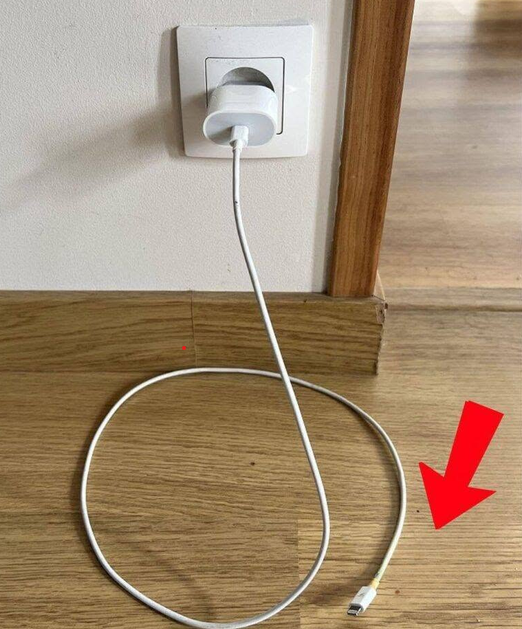
Many of us do the same thing every night: plug the phone in before bed, leave it charging for hours, and unplug it in the morning. Some people even leave the charger connected to the wall all day, whether a phone is attached or not.
This has led to alarming claims online that leaving a charger plugged in overnight can destroy your battery, dramatically increase your electricity bill, or even create serious health risks.
The reality is less frightening—but there are several good reasons to use chargers carefully.
Modern smartphones and reputable chargers include systems designed to manage charging, so leaving a phone connected overnight does not normally mean electricity keeps being forced uncontrollably into a full battery. However, heat, damaged cables, poor-quality or counterfeit chargers, covered devices, and deteriorated electrical equipment can create genuine safety concerns.
Here’s what you should know before leaving your charger plugged in overnight.
Does Your Phone Keep Charging After It Reaches 100%?
Not in the simplistic way many viral posts suggest.
Modern smartphones contain charging-management electronics. When the battery approaches full charge, the device controls how much power it accepts rather than simply continuing to charge indefinitely.
Apple, for example, explains that an iPhone automatically stops charging when fully charged and resumes if the battery level drops, making it safe to keep the phone connected overnight under normal conditions.
So the idea that your battery continues filling beyond its physical capacity until it becomes “overcharged” isn’t an accurate description of how a properly functioning modern smartphone operates.
But that doesn’t mean charging conditions are irrelevant.
1. Heat Is One of the Biggest Concerns
Lithium-ion batteries don’t particularly like excessive heat.
Charging naturally produces some heat, and environmental conditions can make the device significantly warmer.
This is why charging your phone underneath a pillow, blanket, mattress, or pile of clothing is a bad habit.
Apple specifically warns against sleeping on a device, power adapter, or wireless charger or placing them under a blanket, pillow, or your body while they’re connected to power.
A phone and charger need adequate ventilation.
If you charge overnight, put the phone on a stable, uncovered surface where heat can dissipate.
2. Heat Can Also Accelerate Battery Aging
Safety isn’t the only reason temperature matters.
Excessive heat can contribute to faster lithium-ion battery degradation.
Over time, rechargeable batteries naturally lose some of their ability to hold a charge. High temperatures can accelerate that aging process.
This doesn’t mean one warm charging session destroys your battery.
It’s the repeated exposure to unfavorable conditions that matters.
Keeping the phone cool is therefore one of the simplest ways to treat its battery more gently.
3. Your Phone May Have an Optimized Charging Feature
Modern smartphones increasingly use software to reduce the amount of time the battery spends sitting completely full.
On iPhones, Apple offers Optimized Battery Charging, which learns charging habits and can delay charging beyond 80% in certain situations before finishing closer to when the phone is expected to be disconnected.
Some Android manufacturers offer similar battery-protection or adaptive-charging features.
If your phone provides one, leaving it enabled can be useful—particularly if you charge overnight every day.
4. Leaving the Charger in the Wall Still Uses Some Electricity
What if there’s no phone attached?
A charger connected to an outlet can still consume a small amount of electricity because its internal electronics remain energized.
This is sometimes called standby, vampire, or no-load power consumption.
With modern efficient chargers, the amount can be very small.
So claims that one empty phone charger will massively increase your electricity bill are generally exaggerated.
Still, the consumption isn’t necessarily zero.
If you have dozens of devices around the house continuously connected to electricity, their combined standby consumption can become more meaningful.
Unplugging unused equipment remains a reasonable energy-saving habit.
5. A Good Charger Shouldn’t Become Extremely Hot
Some warmth while charging can be normal.
Extreme heat isn’t.
If your charger becomes unusually hot, produces a burning smell, makes abnormal noises, sparks, or shows discoloration, stop using it.
The same applies if the wall outlet itself becomes hot or discolored.
Don’t assume that because a charger still charges your phone, it is safe.
Electrical damage can develop before a device completely stops functioning.
6. Damaged Charging Cables Should Be Replaced
Look closely at the cable you’re using tonight.
Is the insulation split?
Can you see internal wires?
Is the connector bent?
Has the cable become extremely loose?
Is electrical tape holding it together?
A damaged charging cable isn’t something worth squeezing another six months of life from.
Apple’s safety information warns that using damaged cables or chargers can cause fire, electric shock, injury, or damage.
Replace visibly damaged charging accessories rather than improvising a repair.
7. Be Careful With Counterfeit and Poor-Quality Chargers
A charger may look like a simple plastic cube, but inside it is converting household electricity into the low-voltage power required by your phone.
That requires appropriate insulation, electrical design, thermal protection, and manufacturing quality.
Use the manufacturer’s charger or a reputable compatible product that meets appropriate safety standards.
A suspiciously cheap counterfeit adapter may not provide the same protection as a properly designed and certified charger.
The small amount of money saved isn’t worth gambling with electrical safety.
8. Don’t Charge Your Phone Around Water
Electricity and water remain a dangerous combination.
Avoid charging a phone beside a bathtub, sink, swimming pool, or another location where the charger or electrical connection could become wet.
Also don’t connect a charging cable when moisture is present inside the charging port.
Many modern smartphones can detect liquid and temporarily prevent charging for exactly this reason.
Allow wet equipment to dry according to the manufacturer’s instructions.
Don’t try to accelerate drying by inserting metal objects into the charging port.
9. Don’t Put Your Phone Under Your Pillow While Charging
This deserves repeating because it’s such a common habit.
People sometimes place their phone underneath the pillow so they can hear the alarm, keep the screen away from them, or prevent it from falling from the bed.
When the phone is charging, this can trap heat.
Instead, keep the phone uncovered on a bedside table or another stable surface.
Your alarm will still work.
10. Check the Wall Outlet Too
Sometimes the charger isn’t actually the problem.
An old, loose, damaged, or overloaded electrical outlet can also create a hazard.
If the charger plug fits unusually loosely, falls out easily, produces sparks beyond a tiny occasional insertion spark, or the outlet feels hot, stop using that outlet and have it assessed appropriately.
Don’t continue using a questionable outlet just because other appliances appear to work.
Is It Dangerous to Leave a Charger Plugged In With Nothing Connected?
With a modern, undamaged, reputable charger connected to a properly functioning electrical outlet, simply leaving it plugged in isn’t automatically an emergency.
However, it remains energized.
That means unplugging it when it isn’t needed eliminates its standby electricity consumption and removes one energized device from the outlet.
This can be especially sensible if you’re leaving home for an extended period.
Can Leaving Your Phone Charging Overnight Cause a Fire?
Properly functioning phones and reputable chargers are designed with safety mechanisms, and millions of devices are routinely charged overnight.
But electrical and battery fires are still possible when something goes wrong.
Risk can increase with damaged equipment, counterfeit or poorly made accessories, battery damage, extreme heat, inappropriate charging environments, or electrical faults.
That’s why “modern phones stop charging at 100%” should never be interpreted as:
“Nothing can ever go wrong while charging.”
Basic charging safety still matters.
What If Your Phone Battery Is Swollen?
This is a different situation entirely.
A swollen battery can cause the phone’s screen or back cover to separate or bulge.
Don’t continue routinely charging or pressing a swollen device back together.
Battery swelling indicates a problem requiring appropriate repair or replacement.
Avoid puncturing, bending, crushing, or otherwise damaging the battery.
Is Overnight Charging Bad for Battery Health?
Overnight charging isn’t automatically destructive.
Modern battery-management systems make it much safer than the old “overcharging” myth suggests.
However, keeping lithium-ion batteries at very high charge levels for long periods, particularly in hot conditions, can contribute to battery aging.
Features such as optimized or adaptive charging are designed partly to address this issue.
If your phone offers a charge limit or optimized-charging feature, consider using it.
Should You Charge to 80% Instead of 100%?
Some newer devices offer an option to limit charging to around 80%.
This can be useful for people prioritizing long-term battery longevity.
But it isn’t mandatory for everyone.
If you need maximum battery life during the day, charging to 100% may be more practical.
Battery preservation involves trade-offs between convenience and long-term chemical aging.
Use the feature that best matches how you actually use your phone.
Is Fast Charging Dangerous?
Fast charging isn’t automatically unsafe when the phone, charger, and cable are designed to work together.
The device regulates the charging process.
Fast charging can produce additional heat under some circumstances, which is another reason adequate ventilation matters.
Use compatible equipment and avoid charging in excessively hot environments.
Can You Use Your Phone While It’s Charging?
Ordinary use while charging is generally possible.
However, demanding activities such as gaming, video processing, or other intensive applications can produce additional heat while the battery is already charging.
If your phone becomes excessively hot, stop the demanding activity and allow it to cool.
Never try to cool an overheated phone by placing it in a refrigerator or freezer.
Rapid temperature changes and condensation can create additional problems.
Does Charging Overnight Cause Health Problems?
Viral posts sometimes claim that leaving a charger plugged in near your bed causes mysterious diseases simply because electricity is flowing through it.
Those claims shouldn’t be presented as established medical facts without credible evidence.
The practical concerns surrounding overnight charging are much more straightforward:
electrical safety, damaged equipment, overheating, battery condition, fire prevention, and energy use.
There is no reason to invent frightening health claims when these real precautions are already worth following.
What About Wireless Charging?
Wireless chargers eliminate the cable connection to the phone, but they still use electricity and generate heat.
Make sure the charging pad is compatible with your device and placed on a stable, ventilated surface.
Avoid trapping the phone and charging pad beneath bedding.
If either becomes unusually hot, discontinue charging and investigate the cause.
What About Extension Cords and Power Strips?
A phone charger uses relatively little power compared with heaters or large appliances, but electrical accessories should still be in good condition.
Avoid damaged extension cords, loose sockets, or overloaded power strips.
Don’t create complicated chains of adapters and extension leads around a bed.
If an outlet or power strip shows signs of overheating, stop using it.
A Safer Overnight Charging Routine
You don’t need to stay awake watching your battery percentage.
Instead, use a few straightforward habits:
- Use a reputable, compatible charger and cable.
- Inspect the cable for fraying or damage.
- Charge on a firm, uncovered surface.
- Never place the charging phone or adapter under a pillow or blanket.
- Keep chargers away from water.
- Enable optimized/adaptive charging if your phone provides it.
- Stop using equipment that becomes abnormally hot, smells burnt, sparks, or shows visible damage.
- Replace damaged batteries and charging accessories.
- Keep the charging area free from unnecessary combustible clutter.
- Unplug unused chargers when convenient, particularly when leaving home for extended periods.
These habits matter far more than worrying whether your phone reaches exactly 97%, 99%, or 100%.
Frequently Asked Questions
Is it safe to charge my phone overnight?
With a modern phone, compatible undamaged charging equipment, proper ventilation, and a safe electrical outlet, overnight charging is generally supported by modern charging-management systems. Apple specifically states that iPhone automatically stops charging when full and that it is safe to keep it connected overnight.
Does my phone keep charging after 100%?
Modern smartphones regulate charging rather than continuously forcing energy into an already full battery.
Should I unplug my charger every morning?
It’s a reasonable habit. An unused plugged-in charger can consume a small amount of standby power, and unplugging it means it is no longer energized.
Will leaving my charger plugged in dramatically increase my electricity bill?
A single modern charger with nothing attached typically has very low standby consumption. Claims that one empty phone charger causes a huge electricity bill are generally exaggerated.
Is a warm charger normal?
Some warmth can occur during charging. A charger that becomes extremely hot, smells burnt, discolors, sparks, or behaves abnormally should no longer be used.
Can I charge my phone under my pillow?
Don’t. Bedding can interfere with heat dissipation. Apple specifically warns against sleeping on or covering connected devices, power adapters, and wireless chargers.
Is it bad to charge a phone to 100%?
Charging to 100% isn’t automatically harmful, but repeatedly keeping lithium-ion batteries fully charged for extended periods—especially when hot—can contribute to aging. Optimized charging features can help manage this.
Should I replace a frayed cable if it still works?
Yes. Continuing to use visibly damaged electrical accessories isn’t worth the risk.
Can I leave the charger plugged in while I’m on vacation?
You can reduce unnecessary standby electricity use and eliminate an energized accessory by unplugging chargers that won’t be needed while you’re away.
Final Thoughts
So, should you panic if you’ve been charging your phone overnight for years?
No.
Modern smartphones are specifically designed to manage their charging process, and a properly functioning phone doesn’t simply continue “overcharging” uncontrollably after reaching 100%.
The more important issue is how you charge it.
Use reputable equipment. Replace damaged cables. Keep the phone and adapter uncovered. Don’t charge around water. Avoid excessive heat. Pay attention to swollen batteries, burning smells, damaged outlets, or unusually hot chargers.
And if leaving an unused charger plugged into the wall serves no purpose, unplugging it is a simple habit that eliminates its small standby consumption.
The viral warning may sound dramatic, but the practical lesson is straightforward:
Your charger isn’t something to fear—but it is electrical equipment, and it deserves to be used safely.