
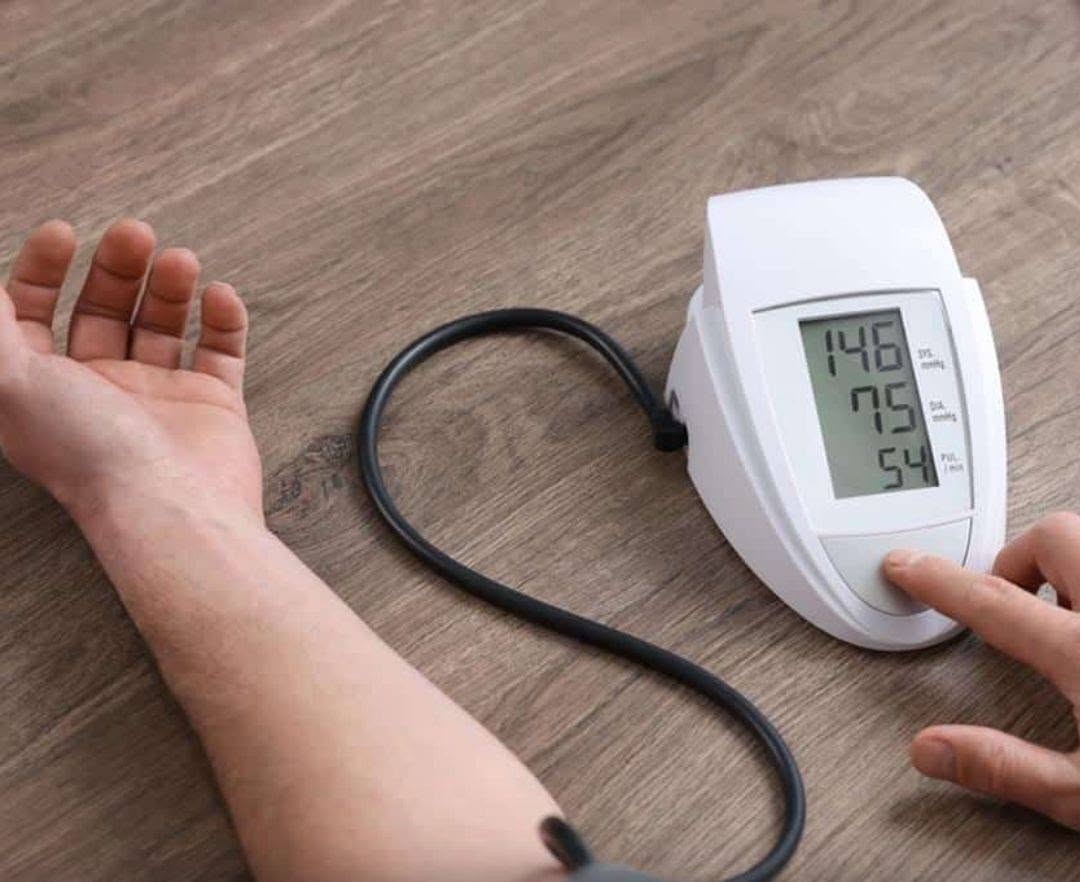
Blood pressure is one of the simplest health measurements, but it can sometimes be confusing. You may have seen different numbers described as “normal” depending on age, and that can make it difficult to know what your own reading means.
The good news is that the latest American Heart Association guidance provides a clear framework for adults. Rather than using completely different “normal” numbers for every age group, adult blood pressure is generally classified using the same categories. Mathematics
What Do the Two Numbers Mean?
A blood pressure reading contains two numbers, such as 118/76 mm Hg.
Systolic pressure is the top number. It measures pressure in your arteries when your heart contracts.
Diastolic pressure is the bottom number. It measures pressure when your heart relaxes between beats.
Both numbers are important when interpreting a reading.
What Is Considered Normal Blood Pressure?
According to the 2025 American Heart Association guideline, normal blood pressure for adults is:
Less than 120/80 mm Hg
That means the systolic number should be below 120 and the diastolic number should be below 80. History
Here is the current adult classification:
Blood Pressure Category Systolic Diastolic
Normal Less than 120 Less than 80
Elevated 120–129 Less than 80
Stage 1 hypertension 130–139 80–89
Stage 2 hypertension 140 or higher 90 or higher
Severe hypertension Higher than 180 and/or higher than 120
If the two numbers fall into different categories, the higher category is generally used.
Does Normal Blood Pressure Change With Age?
This is where many online charts can be misleading.
For adults, there isn’t a separate AHA definition of “normal” blood pressure for someone in their 20s, 40s, 60s, or 70s. Less than 120/80 mm Hg remains the normal category for adults. Heart& Hypertension
However, blood pressure can naturally change throughout life. Older adults are more likely to develop elevated blood pressure or hypertension, which is one reason regular monitoring becomes increasingly important.
Age can also affect treatment decisions, so a person’s overall health and medical history matter—not just a single blood-pressure number.
What If Your Reading Is 120–129?
A reading in the range of 120–129 systolic with a diastolic number below 80 is classified as elevated rather than normal.
This does not mean that you have hypertension, but it is a useful signal to pay attention to lifestyle habits such as physical activity, diet, weight management, sleep, and sodium intake.
What If Your Blood Pressure Is 130/80 or Higher?
Under the current AHA classification, a persistent reading of 130–139 systolic or 80–89 diastolic falls into stage 1 hypertension. History
A single reading does not necessarily establish a diagnosis. Blood pressure can temporarily change because of stress, activity, caffeine, illness, or other factors. Your healthcare professional can determine whether repeated measurements indicate a problem.
The way you measure your blood pressure can affect the result.
Before taking a reading:
- Sit quietly for about five minutes.
- Keep your feet supported and your back supported.
- Avoid talking while measuring.
- Keep your arm supported at approximately heart level.
- Take two readings about one minute apart and record the results.
The American Heart Association recommends home monitoring as an important tool for managing blood pressure.
What Can Help Maintain Healthy Blood Pressure?
Healthy lifestyle habits can make an important difference. Current guidance emphasizes:
- Eating a heart-healthy diet
- Reducing excessive sodium intake
- Staying physically active
- Maintaining a healthy weight
- Managing stress
- Getting adequate sleep
- Limiting or avoiding alcohol
These habits can help prevent or manage elevated blood pressure and hypertension.
When Is Blood Pressure an Emergency?
A reading above 180/120 mm Hg is considered severe and should not be ignored.
If a very high reading is accompanied by symptoms such as chest pain, shortness of breath, back pain, numbness, weakness, vision changes, or difficulty speaking, emergency medical attention is needed.
The Bottom Line
There isn’t one “perfect” blood-pressure number for every age. For adults, the current guideline defines normal blood pressure as below 120/80 mm Hg, while higher readings fall into elevated or hypertension categories.
The most important thing is not to panic over one unusual reading. Instead, take measurements correctly, keep track of repeated readings, and discuss consistently high numbers with a healthcare professional.