
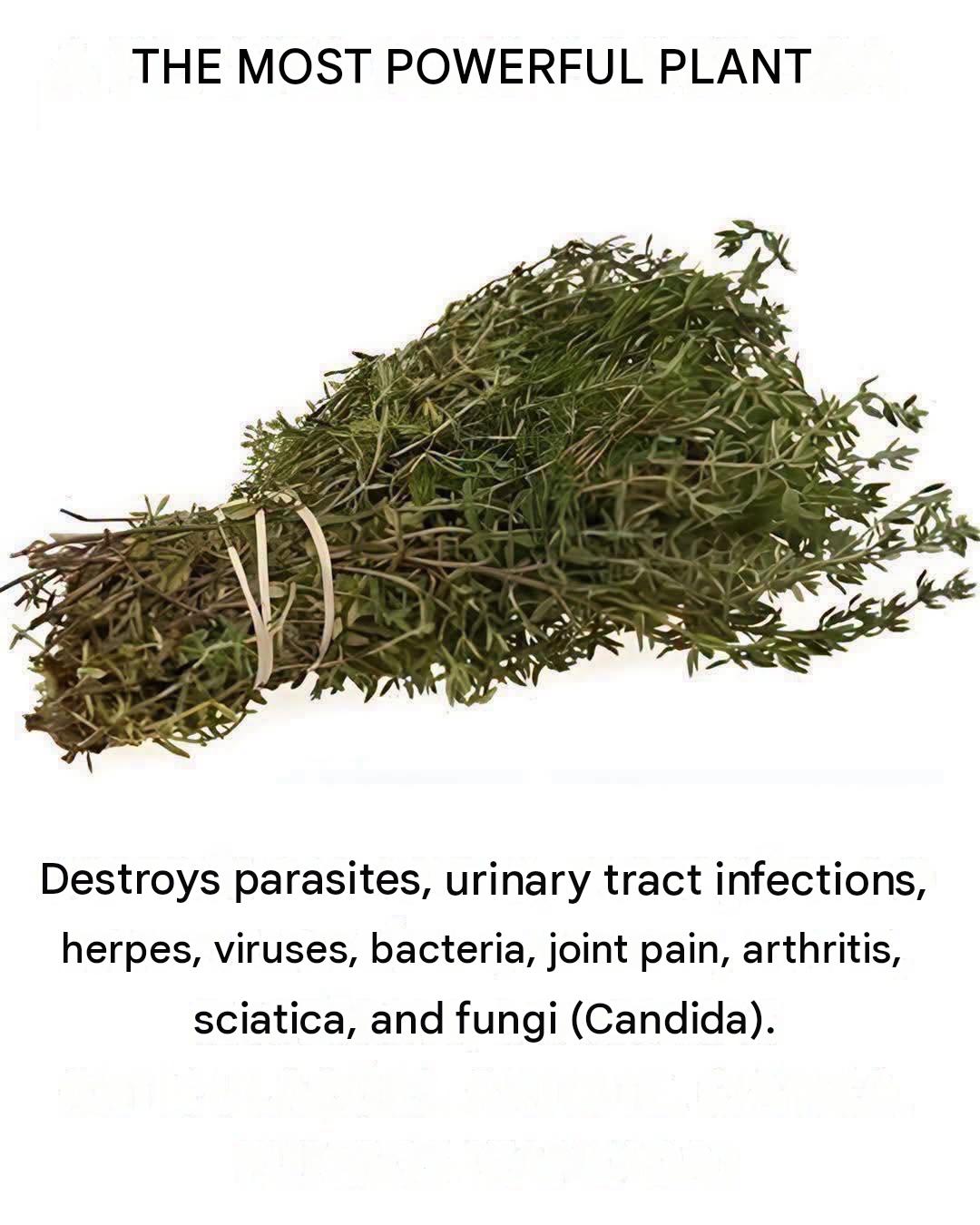
You probably have a small jar of it sitting in your kitchen right now.
It adds flavor to pizza, pasta, soups, salads, sauces, and countless other dishes. But this familiar herb has a history that goes far beyond cooking.
We’re talking about oregano.
For centuries, oregano has been used in traditional practices, while modern research has taken a closer look at some of the natural compounds found in the plant.
What Makes Oregano So Interesting?
Oregano contains several naturally occurring plant compounds, including carvacrol and thymol.
These compounds have attracted scientific interest because laboratory studies have demonstrated antimicrobial, antifungal, antioxidant, and anti-inflammatory properties.
That doesn’t mean oregano can replace medication or “cure” infections. But it helps explain why this humble culinary herb has attracted so much attention.
Carvacrol: One of Oregano’s Most Studied Compounds
Carvacrol is a major component of oregano essential oil.
Research has investigated its activity against various microorganisms, including certain bacteria and fungi.
This is one reason oregano oil is often discussed in natural-health circles.
However, laboratory findings don’t automatically mean that eating oregano or taking oregano oil will produce the same effects inside the human body.
That’s an important distinction to keep in mind.
Thymol Adds Another Layer
Thymol is another naturally occurring compound found in oregano and other aromatic plants.
Like carvacrol, it has demonstrated antimicrobial and antioxidant activity in laboratory research.
Together, these compounds contribute to oregano’s distinctive aroma and flavor while making the plant scientifically interesting.
Oregano as Part of a Healthy Diet
The simplest way to enjoy oregano is also the safest for most people: use it as a culinary herb.
Sprinkle dried oregano over vegetables, soups, beans, tomato sauces, eggs, salads, or roasted meats.
Fresh oregano can also be used when available.
Using herbs and spices can make meals more flavorful, which may help people rely less heavily on salt.
What About Oregano Tea?
Oregano tea is another traditional way of consuming the herb.
A simple preparation involves steeping dried or fresh oregano in hot water for several minutes.
The resulting drink has a strong herbal flavor and can be enjoyed as part of a normal diet.
However, claims that oregano tea can cure infections, eliminate parasites, or treat serious diseases go beyond what can be established from traditional use alone.
Be Careful With Oregano Essential Oil
This is where caution becomes especially important.
Oregano essential oil is highly concentrated and is not equivalent to the oregano you sprinkle on your food.
Concentrated essential oils can irritate the skin and digestive tract and may interact with medications.
They should not be swallowed casually or applied directly to the skin without appropriate guidance.
Pregnant or breastfeeding people, children, and anyone taking medications should speak with a qualified healthcare professional before using concentrated oregano products.
More Isn’t Necessarily Better
Because oregano contains interesting natural compounds, it can be tempting to think that taking large amounts will provide greater benefits.
That’s not how it works.
A culinary herb used in normal food quantities is very different from a concentrated supplement or essential oil.
When it comes to natural products, concentration matters.
Why This Little Herb Deserves a Place in Your Kitchen
Oregano doesn’t need extraordinary claims to be useful.
It’s flavorful, versatile, inexpensive, and easy to incorporate into everyday meals.
And its naturally occurring compounds make it an interesting subject of scientific research.
The best approach is to enjoy it primarily as part of a varied, balanced diet rather than treating it as a miracle remedy.
The Bottom Line
That little jar of oregano in your kitchen may be much more interesting than it looks.
Its compounds—particularly carvacrol and thymol—have demonstrated antimicrobial and other biological activities in laboratory research, helping explain the long-standing interest in this aromatic herb.
But oregano is still a seasoning, not a replacement for medical treatment.
So go ahead and add it to your favorite dishes.
Sometimes, one of the most fascinating plants in the kitchen is also one of the simplest.