
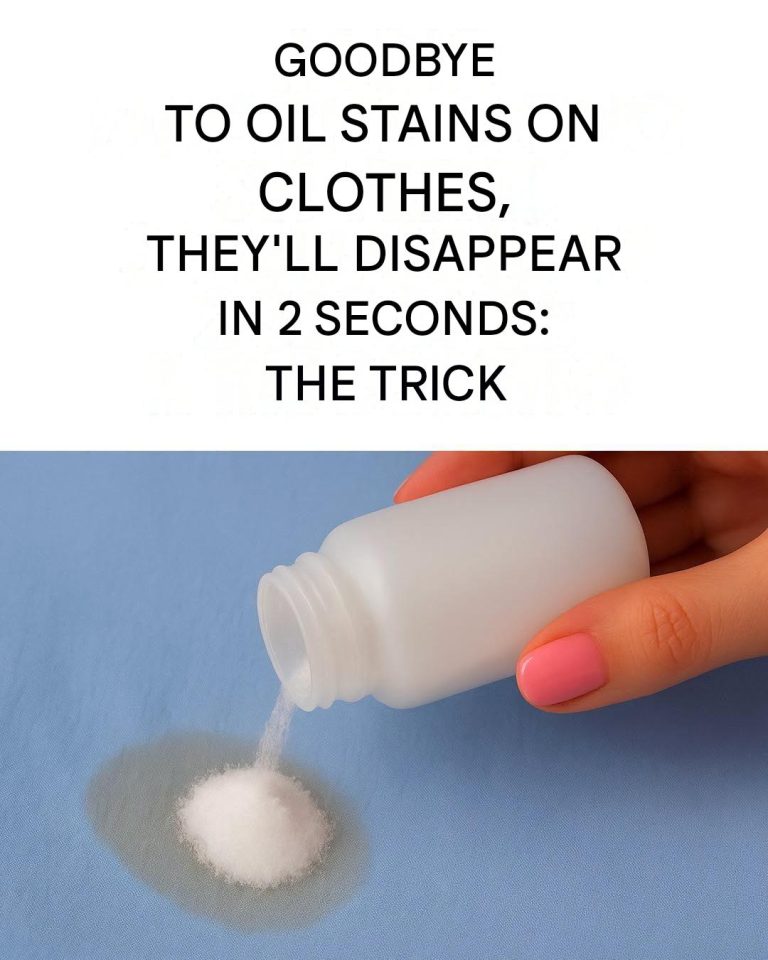
Grease and oil stains can be difficult to remove because they penetrate the fibers of the fabric. However, several effective methods can help, including using talcum powder or cornstarch to absorb fresh grease, dish soap to dissolve it, baking soda and white vinegar for stubborn stains, and denatured alcohol for particularly difficult marks. For d to Remove?
Grease penetrates fabric fibers and does not dissolve easily in water. Therefore, specific detergents or suitable treatments are often necessary to break down and remove it effectively.
Effective Methods for Removing Grease and Oil Stains
1. Talcum Powder or Cornstarch (For Fresh Stains)
If the stain is fresh, it is best to absorb the grease before it penetrates deeply into the fabric.
- Sprinkle a generous amount of talcum powder or cornstarch over the stain.
- Leave it on for 10–15 minutes to absorb the grease.
- Brush off the powder and wash the garment as usual.
2. Dish Soap (To Dissolve Grease)
Dish soap is formulated to break down grease and can also work well on fabrics.
- Apply a small drop of dish soap directly to the stain.
- Gently rub it with your fingers or a soft sponge.
- Leave it on for about 10 minutes.
- Rinse with warm water and then wash the garment as usual.
3. Baking Soda and White Vinegar (For Stubborn Stains)
This combination can be useful for treating stubborn stains on light-colored or washable garments.
- Sprinkle baking soda over the stain.
- Apply a small amount of white vinegar.
- Let the mixture sit for about 10 minutes.
- Gently rub the area and rinse before putting the garment in the washing machine.
Note: Always test this method on an inconspicuous area first, especially on colored fabrics, as vinegar and baking soda may affect certain dyes or finishes.
4. Denatured Alcohol (For Particularly Stubborn Stains)
Alcohol can act as a powerful solvent and may help remove grease from some durable fabrics.
- Dab the stain gently with a cotton ball or cloth moistened with denatured alcohol.
- Let it sit for a few minutes.
- Rinse thoroughly and wash the garment as usual.
Important: Check the garment’s care label first and test the alcohol on an inconspicuous area. Avoid using it on delicate fabrics unless the manufacturer specifically permits it.
5. Chalk or Flour (For Delicate Fabrics)
For delicate fabrics such as silk or wool, absorbent powders such as white chalk or flour may be a gentler option.
- Sprinkle crushed white chalk or flour over the stain.
- Leave it for about an hour to absorb the grease.
- Gently brush away the powder.
- Follow the garment’s care instructions for washing or cleaning.
Extra Tips for Removing Grease Stains
- Avoid rubbing immediately: Aggressive rubbing can push the grease deeper into the fabric.
- Act quickly: The sooner you treat the stain, the easier it is usually to remove.
- Check the care label: Different fabrics require different treatments and washing temperatures.
- Avoid the dryer until the stain is gone: Heat can set remaining grease stains, making them much harder to remove.
- Use the appropriate water temperature: Follow the garment’s care instructions rather than assuming that hotter water is always better.
Removing grease and oil stains from clothes is not impossible when you use the right method. From absorbent powders for fresh stains to dish soap for breaking down grease, the best approach depends on the fabric and the severity of the stain. By treating stains promptly and following the garment’s care instructions, you can improve your chances of keeping your clothes clean and stain-free.